Répertoire des Réalisateurs
7,826 réalisateurs · page 1 / 164
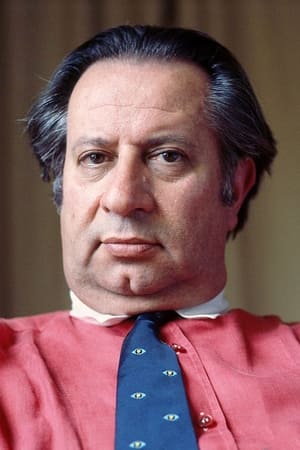
Tinto Brass
Giovanni "Tinto" Brass (born 26 March 1933) is an Italian film director and screenwriter. In the 1960s and 1970s, he directed many critically acclaimed avant-garde films of various genres. Today, he is mainly known for his later work in the erotic genre, with films such as Caligula, Così fan tutte (released under the English title All Ladies Do It), Paprika, Monella (Frivolous Lola) and Trasgredire. After Salon Kitty (1976) and Caligula (1979), the style of his films gradually changed towards erotic films. Caligula was originally supposed to be a satire on power instead of an erotic film, but the producers changed and re-edited the film entirely without Brass's consent, removing many political and comical scenes, and shooting sexually explicit sequences, to make the film a pornographic drama. The director demanded that his name be stricken from the credits, and he is only credited for "Principal Photography". Despite this, the film remains his most widely viewed work (and the highest-grossing Italian film released in the United States). Other notable works of Brass's later period include The Key (1983) and Senso '45 (2002). He was making films into his seventies.
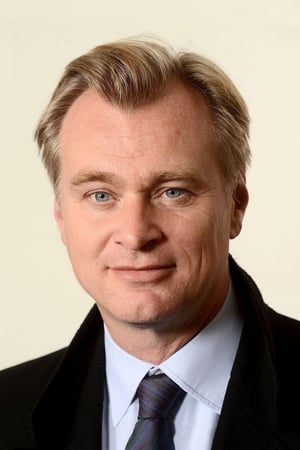
Christopher Nolan
Christopher Edward Nolan, CBE (born 30 July 1970) is a British-American film director, screenwriter, and producer. He was born in Westminster, London, England and holds both British and American citizenship due to his American mother. He is known for writing and directing critically acclaimed films such as Memento (2000), The Prestige (2006), The Dark Knight Trilogy (2005-12), Inception (2010), Interstellar (2014) and Dunkirk (2017). Nolan is the founder of the production company Syncopy Films. He often collaborates with his wife, producer Emma Thomas, and his brother, screenwriter Jonathan Nolan.
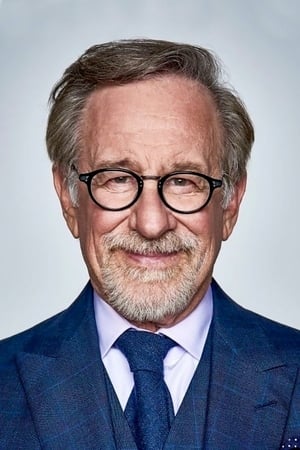
Steven Spielberg
Steven Allan Spielberg (born December 18, 1946) is an American film director, writer and producer. A major figure of the New Hollywood era and pioneer of the modern blockbuster, he is the most commercially successful director of all time. Spielberg is the recipient of various accolades, including three Academy Awards, a Kennedy Center honor, four Directors Guild of America Awards, two BAFTA Awards, a Cecil B. DeMille Award and an AFI Life Achievement Award. Seven of his films have been inducted into the National Film Registry by the Library of Congress as "culturally, historically or aesthetically significant". Spielberg was born in Cincinnati, Ohio, and grew up in Phoenix, Arizona. He moved to California and studied film in college. After directing several episodes for television including Night Gallery and Columbo, he directed the television film Duel (1971) which gained acclaim from critics and audiences. He made his directorial film debut with The Sugarland Express (1974), and became a household name with the 1975 summer blockbuster Jaws. He then directed huge box office successes Close Encounters of the Third Kind (1977), E.T. the Extra-Terrestrial (1982) and the Indiana Jones original trilogy (1981-89). Spielberg subsequently explored drama in the acclaimed The Color Purple (1985) and Empire of the Sun (1987). After a brief hiatus, Spielberg directed the science fiction thriller Jurassic Park (1993), the highest-grossing film ever at the time, and the Holocaust drama Schindler's List (1993), which has often been listed as one of the greatest films ever made. He won the Academy Award for Best Director for the latter and for the 1998 World War II epic Saving Private Ryan. Spielberg continued in the 2000s with science fiction films A.I. Artificial Intelligence (2001), Minority Report (2002) and War of the Worlds (2005). He also directed the adventure films The Adventures of Tintin (2011) and Ready Player One (2018); the historical dramas Amistad (1997), Munich (2005), War Horse (2011), Lincoln (2012), Bridge of Spies (2015) and The Post (2017); the musical West Side Story (2021); and the semi-autobiographical drama The Fabelmans (2022). He has been a producer on several successful films, including Poltergeist (1982), Gremlins (1984), Back to the Future (1985) and Who Framed Roger Rabbit (1988) as well as the miniseries Band of Brothers (2001). Spielberg co-founded Amblin Entertainment and DreamWorks, and has served as a producer for many successful films and television series. He is also known for his long collaboration with the composer John Williams, with whom he has worked for all but five of his feature films. Several of Spielberg's works are among the highest-grossing and greatest films all time. Premiere ranked him first place in the list of 100 Most Powerful People in Movies in 2003. In 2013, Time listed him as one of the 100 most influential people.
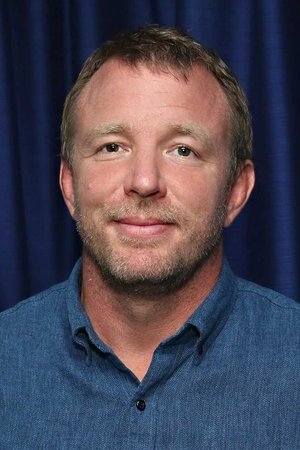
Guy Ritchie
Guy Stuart Ritchie (born 10 September 1968) is an English film director, producer, writer, and businessman. Ritchie left school at age 15 and worked entry-level jobs in the film industry before going on to direct television commercials. In 1995, he directed a short film, The Hard Case, followed by the crime comedy, Lock, Stock and Two Smoking Barrels (1998), his feature-length directorial debut. He soon gained recognition with his second film, Snatch (2000), which also found critical and commercial success. Following Snatch, Ritchie directed Swept Away (2002), a critically panned box-office bomb starring Madonna, to whom Ritchie was married between 2000 and 2008. He went on to direct Revolver (2005) and RocknRolla (2008), which were less successful and received mixed audience reviews. In 2009 and 2011, he directed two box-office hits, Sherlock Holmes and its sequel, Sherlock Holmes: A Game of Shadows, respectively. The former was nominated for Academy Awards in Best Original Score and Best Art Direction. His other directed motion pictures are The Man From U.N.C.L.E. (2015), which is a remake of a 1960 spy series, King Arthur: Legend of the Sword (2017) and the live-action adaptation of Disney's Aladdin (2019). Aladdin earned more than $1 billion worldwide, becoming one of the highest-grossing films in 2019, and the 34th highest-grossing film of all-time during its theatrical run. In 2020, he returned to crime comedy with The Gentlemen (2019), which was mostly well received and a commercial success. In 2021, he directed Jason Statham in the action film, Wrath of Man.
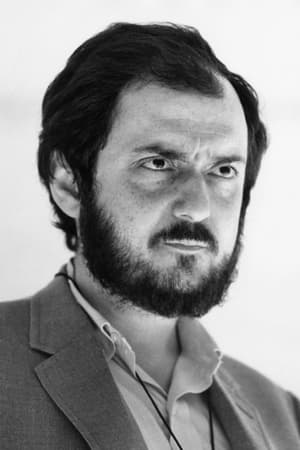
Stanley Kubrick
Stanley Kubrick (July 26, 1928 – March 7, 1999) was an American film director, writer, producer, and photographer who lived in England during most of the last four decades of his career. Kubrick was noted for the scrupulous care with which he chose his subjects, his slow method of working, the variety of genres he worked in, his technical perfectionism, and his reclusiveness about his films and personal life. He maintained almost complete artistic control, making movies according to his own whims and time constraints, but with the rare advantage of big-studio financial support for all his endeavors. Kubrick's films are characterized by a formal visual style and meticulous attention to detail—his later films often have elements of surrealism and expressionism that eschews structured linear narrative. His films are repeatedly described as slow and methodical, and are often perceived as a reflection of his obsessive and perfectionist nature. A recurring theme in his films is man's inhumanity to man. While often viewed as expressing an ironic pessimism, a few critics feel his films contain a cautious optimism when viewed more carefully. The film that first brought him attention to many critics was Paths of Glory (1957), the first of three films of his about the dehumanizing effects of war. Many of his films at first got a lukewarm reception, only to be years later acclaimed as masterpieces that had a seminal influence on many later generations of film-makers. Considered especially groundbreaking was 2001: A Space Odyssey (1968) noted for being both one of the most scientifically realistic and visually innovative science-fiction films ever made while maintaining an enigmatic non-linear storyline. He voluntarily withdrew his film A Clockwork Orange (1971) from England, after it was accused of inspiring copycat crimes which in turn resulted in threats against Kubrick's family. His films were largely successful at the box-office, although Barry Lyndon (1975) performed poorly in the United States. Living authors Anthony Burgess and Stephen King were both unhappy with Kubrick's adaptations of their novels A Clockwork Orange and The Shining (1980) respectively, and both authors were engaged with subsequent adaptations. All of Kubrick's films from the mid-1950s to his death except for The Shining were nominated for Oscars, Golden Globes, or BAFTAs. Although he was nominated for an Academy Award as a screenwriter and director on several occasions, his only personal win was for the special effects in 2001: A Space Odyssey. Even though all of his films, apart from the first two, were adapted from novels or short stories, his works have been described by Jason Ankeny and others as "original and visionary". Although some critics, notably Andrew Sarris and Pauline Kael, frequently disparaged Kubrick's work, Ankeny describes Kubrick as one of the most "universally acclaimed and influential directors of the postwar era" with a "standing unique among the filmmakers of his day."
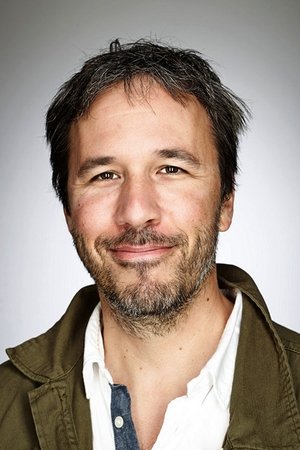
Denis Villeneuve
Denis Villeneuve OC CQ (born October 3, 1967) is a French-Canadian filmmaker. He is a four-time recipient of the Canadian Screen Award (formerly Genie Award) for Best Direction, winning for Maelström in 2001, Polytechnique in 2009, Incendies in 2010 and Enemy in 2013. The first three of these films also won the Canadian Screen Award for Best Motion Picture, while the latter was awarded the prize for best Canadian film of the year by the Toronto Film Critics Association. Internationally, he is known for directing several critically acclaimed films, including the thrillers Prisoners (2013) and Sicario (2015), as well as the science fiction films Arrival (2016) and Blade Runner 2049 (2017). For his work on Arrival, he received an Academy Award nomination for Best Director. He was awarded the prize of Director of the Decade by the Hollywood Critics Association in December 2019. His film, Dune (2021), based on Frank Herbert's novel of the same name, premiered at the 78th Venice International Film Festival; the film received critical acclaim, was a commercial success at the box office internationally, is currently his highest grossing film to date, and earned him Academy Award nominations for Best Adapted Screenplay and Best Picture, with the film itself winning a leading six Oscars at the 94th Academy Awards.
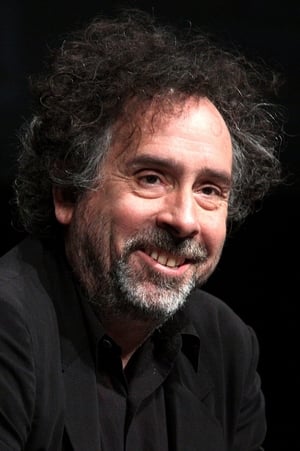
Tim Burton
Timothy Walter Burton (born August 25, 1958) is an American filmmaker and animator. He is known for his gothic fantasy and horror films such as Beetlejuice (1988), Edward Scissorhands (1990), The Nightmare Before Christmas (1993), Ed Wood (1994), Sleepy Hollow (1999), Corpse Bride (2005), Sweeney Todd: The Demon Barber of Fleet Street (2007) and Dark Shadows (2012), as well as the television series Wednesday (2022). Burton also directed the superhero films Batman (1989) and Batman Returns (1992), the sci-fi film Planet of the Apes (2001), the fantasy-drama Big Fish (2003), the musical adventure film Charlie and the Chocolate Factory (2005), and the fantasy films Alice in Wonderland (2010) and Miss Peregrine's Home for Peculiar Children (2016). Burton has often worked with actors Winona Ryder, Johnny Depp, Lisa Marie (former girlfriend), Helena Bonham Carter (his former domestic partner) and composer Danny Elfman, who scored all but three of Burton's films. Burton also wrote and illustrated the poetry book The Melancholy Death of Oyster Boy & Other Stories, published in 1997 by British publishing house Faber and Faber, and a compilation of his drawings, sketches, and other artwork, entitled The Art of Tim Burton, was released in 2009. A follow-up to that book, entitled The Napkin Art of Tim Burton: Things You Think About in a Bar, containing sketches made by Burton on napkins at bars and restaurants he visited, was released in 2015. His accolades include nominations for two Academy Awards and three BAFTA Awards, and wins for an Emmy Award and a Golden Globe Award.
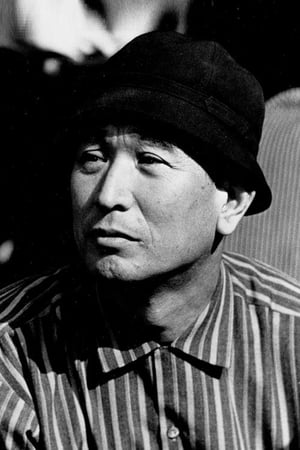
Akira Kurosawa
Akira Kurosawa (黒澤 明) was a Japanese filmmaker and painter who directed thirty films in a career spanning over five decades. He is widely regarded as one of the greatest and most influential filmmakers in the history of cinema. He displayed a bold, dynamic style, strongly influenced by Western cinema yet distinct from it; he was involved with all aspects of film production. Kurosawa entered the Japanese film industry in 1936, following a brief stint as a painter. After years of working on numerous films as an assistant director and scriptwriter, he made his debut as a director during World War II with the popular action film Sanshiro Sugata (1943). After the war, the critically acclaimed Drunken Angel (1948), in which Kurosawa cast the then little-known actor Toshiro Mifune in a starring role, cemented the director's reputation as one of the most important young filmmakers in Japan. The two men would go on to collaborate on another fifteen films. Rashomon (1950), which premiered in Tokyo, became the surprise winner of the Golden Lion at the 1951 Venice Film Festival. The commercial and critical success of that film opened up Western film markets for the first time to the products of the Japanese film industry, which in turn led to international recognition for other Japanese filmmakers. Kurosawa directed approximately one film per year throughout the 1950s and early 1960s, including a number of highly regarded (and often adapted) films, such as Ikiru (1952), Seven Samurai (1954), Throne of Blood (1957), Yojimbo (1961) and High and Low (1963). After the 1960s he became much less prolific; even so, his later work—including two of his final films, Kagemusha (1980) and Ran (1985)—continued to receive great acclaim. In 1990, he accepted the Academy Award for Lifetime Achievement. Posthumously, he was named Asian of the Century in the Arts, Literature, and Culture category by AsianWeek magazine and CNN, cited there as being among the five people who most prominently contributed to the improvement of Asia in the 20th century. His career has been honored by many retrospectives, critical studies and biographies in both print and video, and by releases in many consumer media.
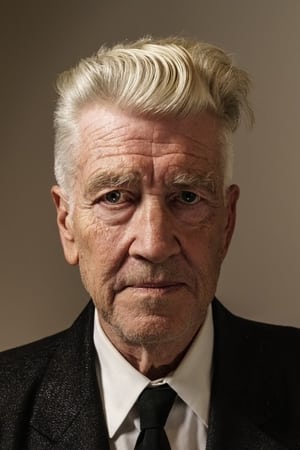
David Lynch
David Keith Lynch (born January 20, 1946) is an American filmmaker, painter, visual artist, musician, actor, and writer. Known for his surrealist films, he has developed his own unique cinematic style, which has been dubbed "Lynchian", and which is characterized by its dream imagery and meticulous sound design. Indeed, the surreal and in many cases violent elements to his films have earned them the reputation that they "disturb, offend or mystify" their audiences. Moving around various parts of the United States as a child within his middle class family, Lynch went on to study painting in Philadelphia, where he first made the transition to producing short films. Deciding to devote himself more fully to this medium, he moved to Los Angeles, where he produced his first motion picture, the surrealist horror Eraserhead (1977). After Eraserhead became a cult classic on the midnight movie circuit, Lynch was employed to direct The Elephant Man (1980), from which he gained mainstream success. Then being employed by the De Laurentiis Entertainment Group, he proceeded to make two films. First, the science-fiction epic Dune (1984), which proved to be a critical and commercial failure, and then a neo-noir crime film, Blue Velvet (1986), which was highly critically acclaimed. Proceeding to create his own television series with Mark Frost, the highly popular murder mystery Twin Peaks (1990–1992), he also created a cinematic prequel, Fire Walk With Me (1992), a road movie, Wild at Heart (1990), and a family film, The Straight Story (1999) in the same period. Turning further towards surrealist filmmaking, three of his following films worked on "dream logic" non-linear narrative structures, Lost Highway (1997), Mulholland Drive (2001) and Inland Empire (2006). Lynch has received three Academy Award nominations for Best Director, for his films The Elephant Man, Blue Velvet and Mulholland Drive, and also received a screenplay Academy Award nomination for The Elephant Man. Lynch has twice won France's César Award for Best Foreign Film, as well as the Palme d'Or at the Cannes Film Festival and a Golden Lion award for lifetime achievement at the Venice Film Festival. The French government awarded him the Legion of Honor, the country's top civilian honor, as a Chevalier in 2002 and then an Officier in 2007, while that same year, The Guardian described Lynch as "the most important director of this era". Allmovie called him "the Renaissance man of modern American filmmaking", whilst the success of his films have led to him being labelled "the first popular Surrealist".
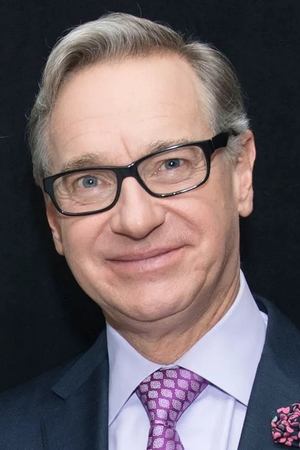
Paul Feig
Paul S. Feig is an American director, actor and author. Feig is known for playing Mr. Eugene Pool, Sabrina's science teacher, on the first season of Sabrina, the Teenage Witch. Feig also created the critically acclaimed show, Freaks and Geeks and has directed a several episodes of The Office and Arrested Development; plus select episodes of 30 Rock, Parks and Recreation, Mad Men and other television series. Feig has been nominated for two Emmy Awards for writing on Freaks and Geeks and three for directing on The Office. Feig directed the 2011 film Bridesmaids featuring Kristen Wiig.
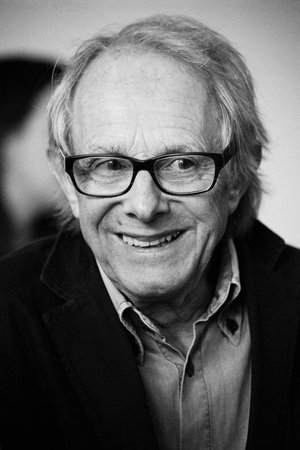
Ken Loach
Kenneth Charles Loach (born 17 June 1936; Nuneaton) is a British film director, screenwriter and producer. His socially critical directing style is evident in his film treatment of social issues such as poverty (Poor Cow, 1967), homelessness (Cathy Come Home, 1966), and labour rights (Riff-Raff, 1991, and The Navigators, 2001). Kenneth Charles Loach was born on 17 June 1936 in Nuneaton, Warwickshire, the son of Vivien (née Hamlin) and John Loach. He attended King Edward VI Grammar School and at the age of 19 went to serve in the Royal Air Force. He read law at St Peter's College, Oxford and graduated with a third-class degree. As a member of the Oxford University Experimental Theatre Club he directed an open-air production of Bartholomew Fair for the Shakespeare Memorial Theatre, Stratford, in 1959 (when he also took the role of the shady horse-dealer Dan Jordan Knockem). After Oxford, he began a career in the dramatic arts. Loach's film Kes (1969) was voted the seventh greatest British film of the 20th century in a poll by the British Film Institute. Two of his films, The Wind That Shakes the Barley (2006) and I, Daniel Blake (2016), received the Palme d'Or at the Cannes Film Festival, making him one of only nine filmmakers to win the award twice.
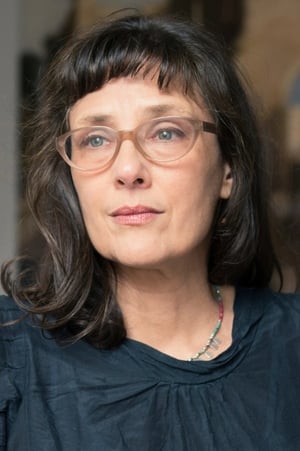
Rebecca Miller
Rebecca Augusta Miller, Lady Day-Lewis (born September 15, 1962) is an American filmmaker and novelist. She is known for her films Angela (1995), Personal Velocity: Three Portraits (2002), The Ballad of Jack and Rose (2005), The Private Lives of Pippa Lee (2009), and Maggie's Plan (2015), all of which she wrote and directed, as well as her novels The Private Lives of Pippa Lee and Jacob's Folly. Miller received the Sundance Film Festival Grand Jury Prize for Personal Velocity and the Gotham Independent Film Award for Breakthrough Director for Angela. Miller is the daughter of Arthur Miller, a Pulitzer Prize-winning playwright, and his third wife, Inge Morath, a Magnum photographer. Description above from the Wikipedia article Rebecca Miller, licensed under CC-BY-SA, full list of contributors on Wikipedia
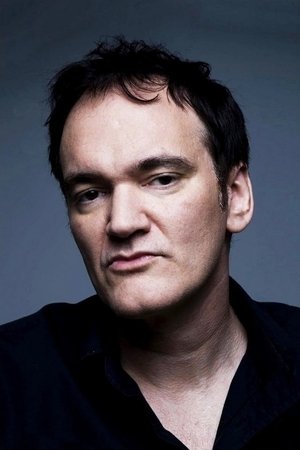
Quentin Tarantino
Quentin Jerome Tarantino (born March 27, 1963) is an American film director, screenwriter, producer, cinematographer and actor. In the early 1990s he was an independent filmmaker whose films used nonlinear storylines and aestheticization of violence. His films have earned him a variety of Academy Award, Golden Globe, BAFTA and Palme d'Or Awards and he has been nominated for Emmy and Grammy Awards. In 2007, Total Film named him the 12th-greatest director of all time. Tarantino was born in Knoxville, Tennessee, the son of Connie McHugh Tarantino Zastoupil, a health care executive and nurse born in Knoxville, and Tony Tarantino, an actor and amateur musician born in Queens, New York. Tarantino's mother allowed him to quit school at age 17, to attend an acting class full time. Tarantino gave up acting while attending the acting school, saying that he admired directors more than actors. Tarantino also worked in a video rental store before becoming a filmmaker, paid close attention to the types of films people liked to rent, and has cited that experience as inspiration for his directorial career. Description above from the Wikipedia article Quentin Tarantino, licensed under CC-BY-SA, full list of contributors on Wikipedia.
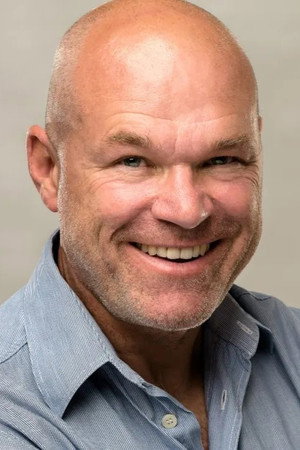
Uwe Boll
Uwe Boll (German: [ˈuːvə ˈbɔl]; born June 22, 1965) is a German restaurateur and a filmmaker. He finances his own films through his production companies Boll KG and Event Film Productions. Many of his films are produced on low budgets and Boll himself has backed his projects financially or made use of crowdfunding platforms. Boll's filmmaking career is generally divided into two distinct phases: the first consists of big budget films with a usually renowned cast, most of which gained him a reputation as a "schlock maestro", while receiving highly negative reviews from critics, with Alone in the Dark being considered one of the worst films ever made. His second phase is marked by films with a smaller budget or were independently made, relatively unknown actors and different approaches to filmmaking; Boll's Rampage film series, Tunnel Rats, Stoic, Amoklauf, Heart of America, Assault on Wall Street and Darfur were better received by critics. Boll decided to branch out from filmmaking in 2016 to work in the restaurant industry. He opened his Bauhaus Restaurant in Vancouver, which had earned positive reviews among food critics. In 2022, he returned to making films after selling the restaurant. Description above from the Wikipedia article Uwe Boll, licensed under CC-BY-SA, full list of contributors on Wikipedia.
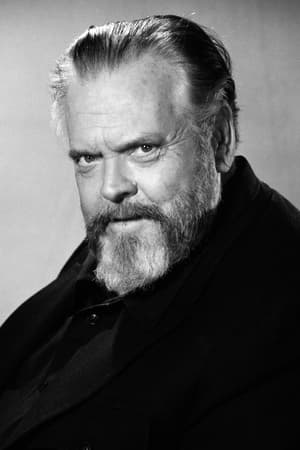
Orson Welles
George Orson Welles (May 6, 1915 – October 10, 1985), best known as Orson Welles, was an American film director, actor, theatre director, screenwriter, and producer, who worked extensively in film, theatre, television and radio. Noted for his innovative dramatic productions as well as his distinctive voice and personality, Welles is widely acknowledged as one of the most accomplished dramatic artists of the twentieth century, especially for his significant and influential early work—despite his notoriously contentious relationship with Hollywood. His distinctive directorial style featured layered, nonlinear narrative forms, innovative uses of lighting such as chiaroscuro, unique camera angles, sound techniques borrowed from radio, deep focus shots, and long takes. Welles's long career in film is noted for his struggle for artistic control in the face of pressure from studios. Many of his films were heavily edited and others left unreleased. He has been praised as a major creative force and as "the ultimate auteur." After directing a number of high-profile theatrical productions in his early twenties, including an innovative adaptation of Macbeth and The Cradle Will Rock, Welles found national and international fame as the director and narrator of a 1938 radio adaptation of H. G. Wells's novel The War of the Worlds performed for the radio drama anthology series Mercury Theatre on the Air. It was reported to have caused widespread panic when listeners thought that an invasion by extraterrestrial beings was occurring. Although these reports of panic were mostly false and overstated, they rocketed Welles to instant notoriety. Citizen Kane (1941), his first film with RKO, in which he starred in the role of Charles Foster Kane, is often considered the greatest film ever made. Several of his other films, including The Magnificent Ambersons (1942), The Lady from Shanghai (1947), Touch of Evil (1958), Chimes at Midnight (1965), and F for Fake (1974), are also widely considered to be masterpieces. In 2002, he was voted the greatest film director of all time in two separate British Film Institute polls among directors and critics, and a wide survey of critical consensus, best-of lists, and historical retrospectives calls him the most acclaimed director of all time. Andrew Sarris in his influential book of film criticism The American Cinema: Directors and Directions 1929–1968 included him in the "pantheon" of the 14 greatest film directors who had worked in the United States. Well known for his baritone voice, Welles was also an extremely well regarded actor and was voted number 16 in AFI's 100 Years... 100 Stars list of the greatest American film actors of all time. He was also a celebrated Shakespearean stage actor and an accomplished magician, starring in troop variety shows in the war years.
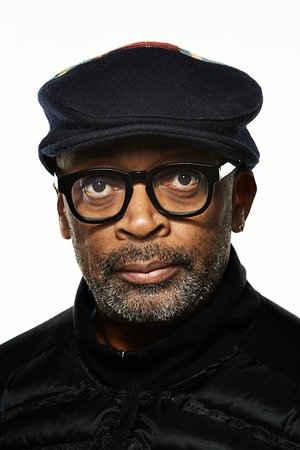
Spike Lee
Spike Lee (born March 20, 1957) is an American filmmaker and actor. He was born Shelton Lee in Atlanta, Georgia. At a very young age, he moved from pre-civil rights Georgia, to Brooklyn, New York. His father was a jazz musician, and his mother, a school teacher. His mother dubbed him Spike, due to his tough nature. He attended school in Morehouse College in Atlanta and developed his film making skills at Clark Atlanta University. After graduating, he went to the Tisch School of Arts graduate film program. He made a controversial short, The Answer (1980), a reworking of D.W. Griffith's The Birth of a Nation (1915) -- a ten-minute film. Lee went on to produce a 45-minute film Joe's Bed-Stuy Barbershop: We Cut Heads (1983), which won a student academy award. Lee's next film, "The Messenger," in 1984, was somewhat biographical. In 1986, Spike Lee made the film, She's Gotta Have It (1986), a comedy about sexual relationships. The movie was made for 175,000 dollars, and made seven million. Since then, Lee has become a well-known, intelligent, and talented film maker. His next movie was School Daze (1988), which was set in a historically black school and focused mostly on the conflict between the school and the Fraternities, of which he was a strong critic, portraying them as materialistic, irresponsible, and uncaring. Lee went on to do his landmark film, Do the Right Thing (1989), a movie specifically about his own town in Brooklyn, New York. The movie garnered an Oscar nomination, for Danny Aiello, for supporting actor. It also sparked a debate on racial relations. Lee went on to produce the jazz biopic Mo' Better Blues (1990) which showed his talent for directing and acting, and was the first of many Spike Lee films to feature Denzel Washington. His next film, Jungle Fever (1991), was about interracial dating. Lee's handling of the subject proved yet again highly controversial. Lee's next film was the self-titled biography of Malcolm X (1992), which had Denzel Washington portraying the civil rights leader. The movie was a success, and resulted in an Oscar nomination for Washington. His next films were the comparatively light, Crooklyn (1994), and the intense crime drama, Clockers (1995). In 1996, Lee directed two movies: the badly received comedy, Girl 6 (1996), and the politically pointed, Get on the Bus (1996), about a group of men going to the Million Man March. His next film, He Got Game (1998), proved to be another excursion into the collegiate world as he shows the darker side of recruiting college athletes. The movie, in limited release, yet again featured Denzel Washington. In 2000 came Bamboozled which made a mockery out of television and the way African-Americans are perceived by white America and the way African-Americans perceive themselves. The movie, however, was a resounding critical success. Lee also has produced films like New Jersey Drive (1995), Tales from the Hood (1995), and Drop Squad (1994). He also has produced and or directed movies about Huey P. Newton, Jim Brown, and has commented in many documentaries about varied subjects. Lee is an obsessive New York Knicks fan. He and his wife, Tonya Lewis Lee, have two children.

Bong Joon Ho
Bong Joon-ho (Korean: 봉준호), born September 14, 1969, is a South Korean film director, producer and screenwriter. His films are characterised by emphasis on social themes, genre-mixing, black humor, and sudden tone shifts. He first became known to audiences and achieved a cult following with his directorial debut film, the black comedy Barking Dogs Never Bite (2000), before achieving both critical and commercial success with his subsequent films: the crime thriller Memories of Murder (2003), the monster film The Host (2006), the science fiction action film Snowpiercer (2013), and the Academy Award-winning black comedy social thriller Parasite (2019), all of which are among the highest-grossing films in South Korea, with Parasite also being the highest-grossing South Korean film in history. All of Bong's films have been South Korean productions, although both Snowpiercer and Okja (2017) are mostly in the English language. Two of his films have screened in competition at the Cannes Film Festival—Okja in 2017 and Parasite in 2019; the latter earned the Palme d'Or, which was a first for a South Korean film. Parasite also became the first South Korean film to receive Academy Award nominations, with Bong winning Best Picture, Best Director, and Best Original Screenplay, making Parasite the first film not in English to win Best Picture. In 2017, Bong was included on Metacritic's list of the 25 best film directors of the 21st century. In 2020, Bong was included in Time's annual list of 100 Most Influential People and Bloomberg 50.
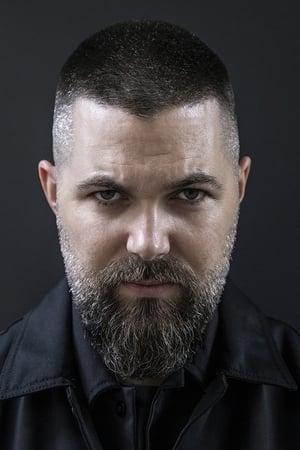
Robert Eggers
Robert Houston Eggers (born July 7, 1983) is an American filmmaker and production designer. He is best known for writing and directing the historical horror films The Witch (2015) and The Lighthouse (2019), as well as directing and co-writing the historical fiction epic film The Northman (2022). His films are noted for their folkloric elements, as well as his efforts to ensure historical authenticity. Description above from the Wikipedia article Robert Eggers, licensed under CC-BY-SA, full list of contributors on Wikipedia.
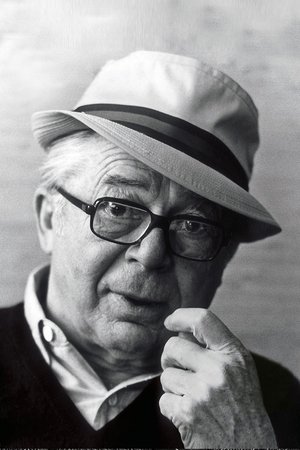
Billy Wilder
Billy Wilder (June 22, 1906 – March 27, 2002) was an Austrian-born director, screenwriter and producer who is regarded as one of the most excellent filmmakers of Hollywood's golden age. Today he is best known for his comedies, although he also directed dramas and film noirs. Wilder is one of only five people who have won Academy Awards as producer, director, and writer for the same film (The Apartment). Wilder's career began in Germany, where he worked as a writer for comedy films from 1930. After the Nazis seized power in 1933, he emigrated to the United States, where he continued to write screenplays, including Ernst Lubitsch's Ninotchka (1939) and Howard Hawks' Ball of Fire (1941). From the early 1940s, Wilder was allowed to film his own screenplays and thus made a name for himself as a director. Initially, his greatest successes included predominantly dramatic film noirs such as Double Indemnity (1944), The Lost Weekend (1945), Sunset Boulevard (1950) and Ace in the Hole (1951). It was only then that he increasingly turned to comedy, including Stalag 17 (1953), Sabrina (1954) and The Seven Year Itch (1955), although he made a small detour to courtroom drama with Witness for the Prosecution (1957). With Some Like It Hot (1959) and The Apartment (1960) he made his most famous and probably most successful comedy films, the latter even receiving five Oscars. In One, Two, Three (1961), Wilder dealt with the conditions of the time in his former adopted country, Germany, and made the successful romantic comedy Irma la Douce (1963). In the two decades that followed, Wilder made seven more films, which were less well received by critics and audiences, although the German-French drama Fedora (1978) is viewed somewhat more favorably today by predominantly pretentious film experts. Some time later, Wilder was under discussion as director for Schindler's List, which he had wanted as the end of his long career, but ultimately had to turn it down due to his advanced age.
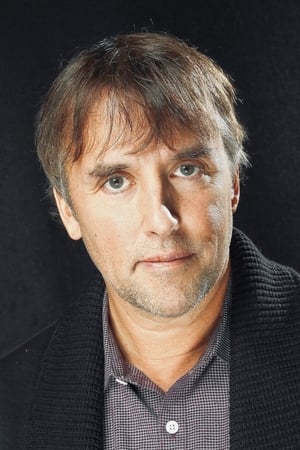
Richard Linklater
Richard Linklater (born July 30, 1960) is an American self-taught film director, producer and screenwriter. Linklater was among the first and most successful talents to emerge during the American independent film renaissance of the 1990s. Typically setting each of his movies during one 24-hour period, Linklater's work explored what he dubbed "the youth rebellion continuum," focusing in fine detail on generational rites and mores with rare compassion and understanding while definitively capturing the 20-something culture of his era through a series of nuanced, illuminating ensemble pieces which introduced any number of talented young actors into the Hollywood firmament.
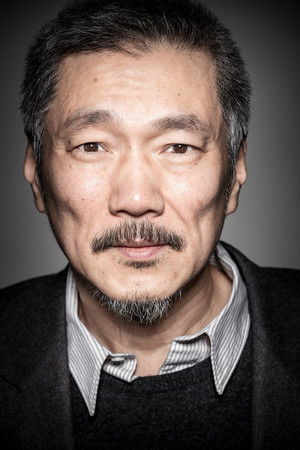
Hong Sang-soo
Hong Sang-soo (born October 25, 1960) is a South Korean writer-director. He has directed 30 films as of 2023. Certain elements are commonly found in Hong's films. A typical Hong film highlights a theme of domestic realism with many of the scenes set on residential streets, cafes, hotels, schools, and in the stairwells of apartment buildings. Characters are seen walking around the city, drinking soju, and having sex. The main characters are often movie directors or actors, and scenes typically consist of a single shot, often beginning and ending with a camera zoom. The budgets for his movies average about $100,000. Hong is often spontaneous when shooting, delivering the day's scene on the morning of the shoot and frequently changing stories while on set. He rarely prepares scripts in advance. Hong's style has been compared to Eric Rohmer's, and it has even been argued that allusions to Rohmer's films appear in some films directed by Hong.
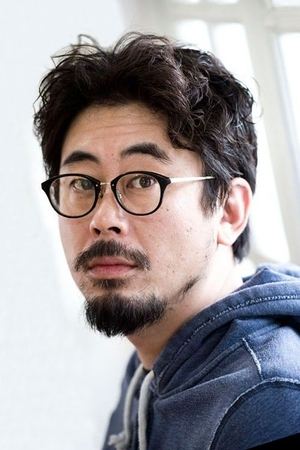
Na Hong-jin
Na Hong-jin (born 1974) is a South Korean film director and screenwriter. For his debut film The Chaser (2008), Na won Best Director at the 45th Grand Bell Awards in 2008. The film also won the award for Best Film. His follow up film, The Yellow Sea, was released in South Korea on December 15, 2010. It is scheduled to be screened in the Un Certain Regard section at the 2011 Cannes Film Festival. Description above from the Wikipedia article Na Hong-jin, licensed under CC-BY-SA, full list of contributors on Wikipedia

Bi Gan
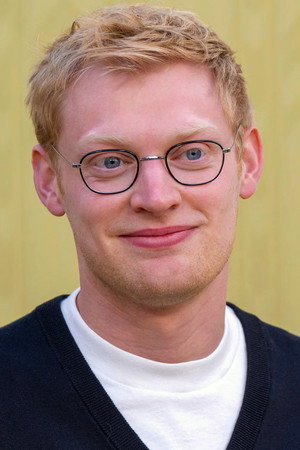
Curry Barker
Sarah Leonor
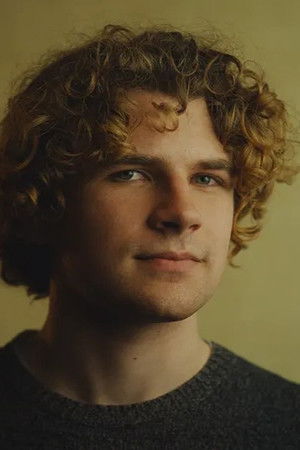
Kane Parsons
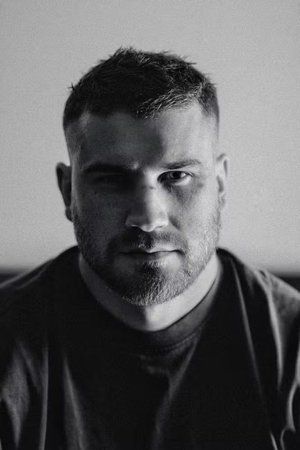
Sébastien Vaniček
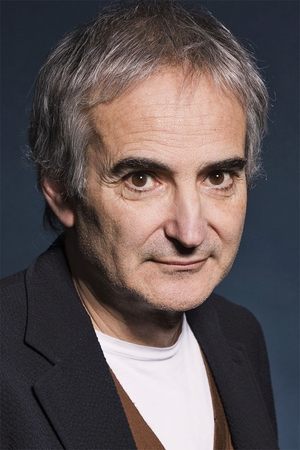
Olivier Assayas
Olivier Assayas (born January 25, 1955) is a French film director and screenwriter. He made his debut in 1986, after directing some short films and writing for the influential film magazine Cahiers du cinéma. Description above from the Wikipedia article Olivier Assayas, licensed under CC-BY-SA, full list of contributors on Wikipedia.
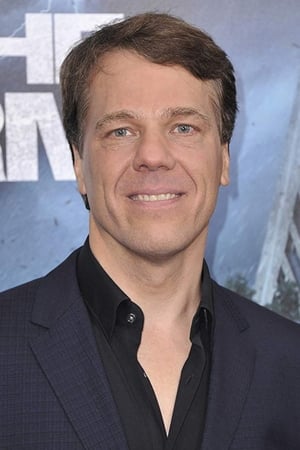
Steven Quale
Steven Quale is an American film director, known for Final Destination 5 and Into the Storm, as well as his earlier work as a second unit director for James Cameron.
Nathanaël Guedj
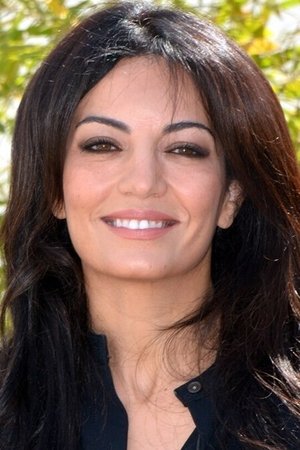
Maryam Touzani
Matthew Loren Oates

Hirokazu Kore-eda
Hirokazu Kore-eda (born 6 June 1962) is a Japanese film director, producer, screenwriter, and editor. He began his career in television and has since directed more than a dozen feature films, including Nobody Knows (2004), Still Walking (2008), and After the Storm (2016). He won the Jury Prize at the 2013 Cannes Film Festival for Like Father, Like Son and won the Palme d'Or at the 2018 Cannes Film Festival for Shoplifters. Description above from the Wikipedia article Hirokazu Kore-eda, licensed under CC-BY-SA, full list of contributors on Wikipedia.
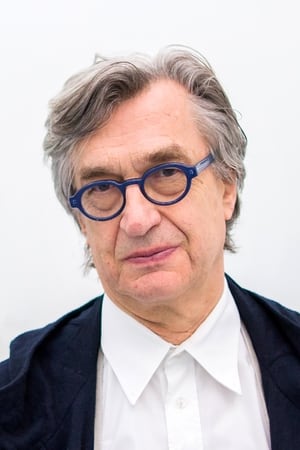
Wim Wenders
Ernst Wilhelm "Wim" Wenders (born 14 August 1945) is a German filmmaker and playwright, who is a major figure in New German Cinema. Among the honors he has received are prizes from the Cannes, Venice and Berlin film festivals. He has also received a BAFTA Award and been nominated for three Academy Awards and a Grammy Award. Wenders made his feature film debut with Summer in the City (1970). He earned critical acclaim for directing the films Alice in the Cities (1974), The Wrong Move (1975), and Kings of the Road (1976), later known as the Road Movie trilogy. Wenders won the BAFTA Award for Best Direction and the Palme d'Or for Paris, Texas (1984) and the Cannes Film Festival Best Director Award for Wings of Desire (1987). His other notable films include The American Friend (1977), Faraway, So Close! (1993), and Perfect Days (2023). Wenders has received three nominations for the Academy Award for Best Documentary Feature: for Buena Vista Social Club (1999), Pina (2011), and The Salt of the Earth (2014). He received a nomination for the Grammy Award for Best Long Form Music Video for Willie Nelson at the Teatro (1998). He is also known for directing the documentaries Tokyo-Ga (1985), The Soul of a Man (2003), and Pope Francis: A Man of His Word (2018). Wenders has been the president of the European Film Academy since 1996 and won an Honorary Golden Bear in 2015. He is an active photographer, emphasizing images of desolate landscapes. He is considered an auteur director. Description above from the Wikipedia article Wim Wenders, licensed under CC-BY-SA, full list of contributors on Wikipedia.
Dustin Ferguson
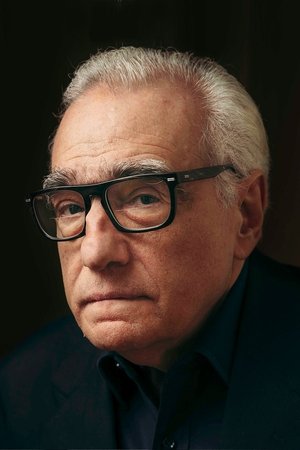
Martin Scorsese
Martin Charles Scorsese (born November 17, 1942) is an American film director, producer, screenwriter, and actor. One of the major figures of the New Hollywood era, he is widely regarded as one of the greatest and most influential directors in film history. Scorsese's body of work explores themes such as Italian-American identity, Catholic concepts of guilt and redemption, faith, machismo, nihilism, crime and sectarianism. Many of his films are known for their depiction of violence and the liberal use of profanity. Scorsese has also dedicated his life to film preservation and film restoration by founding the nonprofit organization The Film Foundation in 1990, as well as the World Cinema Foundation in 2007 and the African Film Heritage Project in 2017. Scorsese studied at New York University (NYU), where he received a bachelor's degree in English literature in 1964, and received a master's degree in fine arts in film from NYU's Tisch School of the Arts in 1968. In 1967 Scorsese's first feature film Who's That Knocking at My Door was released and was accepted into the Chicago Film Festival, where critic Roger Ebert saw it and called it "a marvelous evocation of American city life, announcing the arrival of an important new director". He has established a filmmaking history involving repeat collaborations with actors and film technicians, including nine films made with Robert De Niro. His films with De Niro are the psychological thriller Taxi Driver (1976), the biographical sports drama Raging Bull (1980), the satirical black comedy The King of Comedy (1982), the musical drama New York, New York (1977), the psychological thriller Cape Fear (1991), and the crime films Mean Streets (1973), Goodfellas (1990), Casino (1995) and The Irishman (2019). Scorsese has also been noted for his collaborations with actor Leonardo DiCaprio, having directed him in five films: the historical epic Gangs of New York (2002), the Howard Hughes biography The Aviator (2004), the crime thriller The Departed (2006), the psychological thriller Shutter Island (2010), and the Wall Street black comedy The Wolf of Wall Street (2013). The Departed won Scorsese an Academy Award for Best Director, and for Best Picture. Scorsese is also known for his long-time collaboration with film editor Thelma Schoonmaker, who has edited every Scorsese film beginning with Raging Bull. Scorsese's other film work includes the black comedy After Hours (1985), the romantic drama The Age of Innocence (1993), the children's adventure drama Hugo (2011), and the religious epics The Last Temptation of Christ (1988), Kundun (1997) and Silence (2016).

David Fincher
David Andrew Leo Fincher (born August 28, 1962) is an American film director. His films, mostly thrillers, have received 40 nominations at the Academy Awards, including three for him as Best Director. Born in Denver, Colorado, Fincher was interested in filmmaking at an early age. He directed numerous music videos, most notably Madonna's "Express Yourself" in 1989 and "Vogue" in 1990, both of which won him the MTV Video Music Award for Best Direction. He made his feature film debut with Alien 3 (1992), which garnered mixed reviews, followed by the thriller Seven (1995), which was better received. Fincher found lukewarm success with The Game (1997) and Fight Club (1999), but the latter eventually became a cult classic. In 2002, he returned to prominence with the thriller Panic Room starring Jodie Foster. Fincher also directed Zodiac (2007), The Social Network (2010), The Girl with the Dragon Tattoo (2011), and Mank (2020). For The Social Network, he won the Golden Globe Award for Best Director and BAFTA Award for Best Direction. His biggest commercial successes are The Curious Case of Benjamin Button (2008) and Gone Girl (2014), both of which grossed more than $300 million worldwide, with the former earning thirteen nominations at the Academy Awards, and eleven at the British Academy Film Awards. He also served as an executive producer and director for the Netflix series House of Cards (2013–2018) and Mindhunter (2017–2019), winning the Primetime Emmy Award for Outstanding Directing for a Drama Series for the pilot episode of House of Cards. Fincher was the co-founder of Propaganda Films, a film, and music.
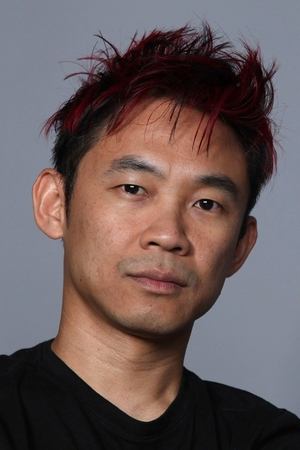
James Wan
James Wan (born 26 February 1977) is a Malaysia-born Australian film director, screenwriter, producer, and comic book writer. He has primarily worked in the horror genre as the co-creator of the "Saw" and "Insidious" franchises and the creator of "The Conjuring" universe. Wan is also the founder of Atomic Monster, which has produced film and television projects. After directing the micro-budget film "Stygian" (2000), Wan made his professional feature directorial debut with "Saw" (2004). The film was a hit and launched a franchise that has grossed more than $1 billion globally. Following a period of setbacks with the underperforming titles "Dead Silence" and "Death Sentence" (both 2007), Wan returned to commercial success with the PG-13 supernatural horror-fantasy "Insidious" (2010), and went on to direct "Insidious: Part 2" (2013) and to produce further sequels in the series. In between his two "Insidious" projects, Wan directed the more traditional supernatural horror film "The Conjuring" (2013), which achieved enormous critical and commercial success and spawned a sprawling set of sequels and spin-offs collectively known as The Conjuring Universe. Wan served as the director of "The Conjuring 2" (2016) while producing subsequent films in the franchise such as "Annabelle" (2014) and "The Nun" (2018). The Conjuring Universe is the second highest-grossing horror franchise at over $2 billion. Outside of horror, Wan directed "Furious 7" (2015), the seventh installment in the "Fast & Furious" franchise, and the DC Extended Universe superhero film "Aquaman" (2018). Both grossed over $1 billion, making Wan the eighth director with two films to reach the milestone. He is the 20th highest-grossing director of all time as of 2021, with his films having grossed over $3.6 billion worldwide.
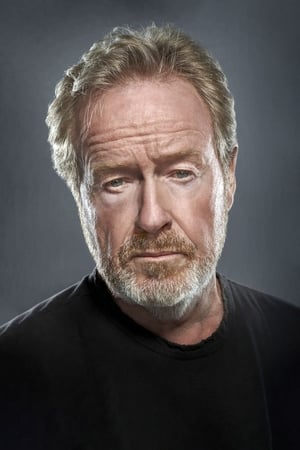
Ridley Scott
Sir Ridley Scott (born November 30, 1937) is an English filmmaker. He was raised in an Army family, meaning that for most of his early life, his father — an officer in the Royal Engineers — was absent. Ridley's older brother, Frank, joined the Merchant Navy when he was still young and the pair had little contact. During this time the family moved around, living in (among other areas) Cumbria, Wales and Germany. He has a younger brother, Tony, also a film director. After the Second World War, the Scott family moved back to their native north-east England, eventually settling in Teesside (whose industrial landscape would later inspire similar scenes in Blade Runner). He enjoyed watching films, and his favourites include Lawrence of Arabia, Citizen Kane and Seven Samurai. Scott studied in Teesside from 1954 to 1958, at Grangefield Grammar School and later in West Hartlepool College of Art, graduating with a Diploma in Design. He progressed to an M.A. in graphic design at the Royal College of Art from 1960 to 1962. At the RCA he contributed to the college magazine, ARK and helped to establish its film department. For his final show, he made a black and white short film, Boy and Bicycle, starring his younger brother, Tony Scott, and his father. The film's main visual elements would become features of Scott's later work; it was issued on the 'Extras' section of The Duellists DVD. After graduation in 1963, he secured a job as a trainee set designer with the BBC, leading to work on the popular television police series Z-Cars and the science fiction series Out of the Unknown. Scott was an admirer of Stanley Kubrick early in his development as a director. For his entry to the BBC traineeship, Scott remade Paths of Glory as a short film. He was assigned to design the second Doctor Who serial, The Daleks, which would have entailed realising the famous alien creatures. However, shortly before Scott was due to start work, a schedule conflict meant that he was replaced on the serial by Raymond Cusick. At the BBC, Scott was placed into a director training programme and, before he left the corporation, had directed episodes of Z-Cars, its spin-off, Softly, Softly, and adventure series Adam Adamant Lives! In 1968, Ridley and Tony Scott founded Ridley Scott Associates (RSA), a film and commercial production company.Five members of the Scott family are directors, all working for RSA. Brother Tony has been a successful film director for more than two decades; sons, Jake and Luke are both acclaimed commercials directors as is his daughter, Jordan Scott. Jake and Jordan both work from Los Angeles and Luke is based in London. In 1995, Shepperton Studios was purchased by a consortium headed by Ridley and Tony Scott, which extensively renovated the studios while also expanding and improving its grounds.
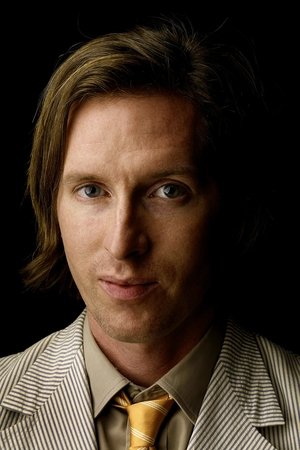
Wes Anderson
Wesley Wales Anderson (born May 1, 1969) is an American filmmaker. His films are known for their symmetry, eccentricity and distinctive visual and narrative styles, and he is cited by some critics as a modern-day example of the auteur. Three of his films, The Royal Tenenbaums (2001), Moonrise Kingdom (2012), and The Grand Budapest Hotel (2014) appeared in BBC Culture's 2016 poll of the greatest films since 2000. Anderson was nominated for the Academy Award for Best Original Screenplay for The Royal Tenenbaums (2001), Moonrise Kingdom (2012) and The Grand Budapest Hotel (2014), as well as the Academy Award for Best Animated Feature for the stop-motion films Fantastic Mr. Fox (2009) and Isle of Dogs (2018). With The Grand Budapest Hotel, he received his first Academy Award nominations for Best Director and Best Picture, and won the Golden Globe Award for Best Motion Picture – Musical or Comedy and the BAFTA Award for Best Original Screenplay. He currently runs the production company American Empirical Pictures, which he founded in 1998. He won the Silver Bear for Best Director for Isle of Dogs in 2018.

Federico Fellini
Federico Fellini, Knight Grand Cross (January 20, 1920 – October 31, 1993), was an Italian film director and screenwriter. Known for a distinct style that blends fantasy and baroque images, he is considered one of the most influential and widely revered filmmakers of the 20th century. Personal and highly idiosyncratic visions of society, Fellini's films are a unique combination of memory, dreams, fantasy, surrealism and desire. The adjectives "Fellinian" and "Felliniesque" are "synonymous with any kind of extravagant, fanciful, even baroque image in the cinema and in art in general". In a career spanning almost fifty years, Fellini won the Palme d'Or for La Dolce Vita, was nominated for twelve Academy Awards, and directed four motion pictures that won Oscars in the category of Best Foreign Language Film. In 1993, he was awarded an honorary Oscar for Lifetime Achievement at the 65th Annual Academy Awards in Los Angeles.
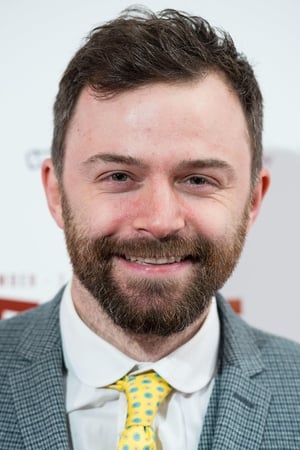
Philip Barantini
After 20 years of performing in front of the camera - including roles in the massively successful Band of Brothers (2001), Ned Kelly (2003), Chernobyl (2019), and Humans (2015), to name a few, Philip Barantini transitioned into directing in the late 2010s, marking his first short film with the award-winning Seconds Out (2019), written by and starring Robbie O'Neill. Following this, Barantini directed the BIFA-nominated short film Boiling Point, starring Stephen Graham, which was then adapted into the hotly anticipated one-shot feature of the same name in 2021; both movies were co-written with Barantini's frequent collaborator James Cummings. Boiling Point saw its international debut in competition at the Karlovy Vary International Film Festival and premiered in the UK at the BFI London Film Festival in October 2021. The film garnered glowing reviews from both critics and audiences, who have called the film "dizzying" [The Guardian] and "utterly compelling" [Variety], commending the film for its "piano-wire tension" [Time Out] and performances - "Stephen Graham is phenomenally mesmerizing" [HeyUGuys]. It recently won four BIFA's including Best Supporting Actress (Vinette Robinson), Best Cinematography, Best Casting, and Best Sound. and was nominated in 11 categories.
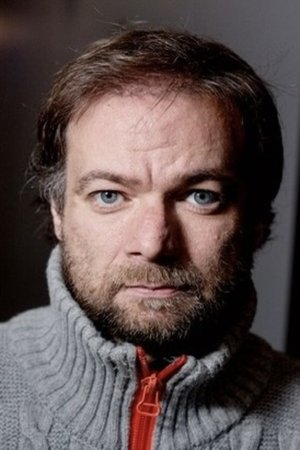
André Øvredal
Andre Øvredal made a name for himself as one of Norway's most successful director of commercials for customers in Norway and abroad to his credit. He has a Bachelor of Arts degree from Brooks Institute of Photography in California where he directed the first feature in the school's 50 year old history. This thriller Future Murder as released as one of 80 first-time films in a special DVD series. It was also shown at the Santa Barbara International Film FEstival in 1997 and released in several countries.
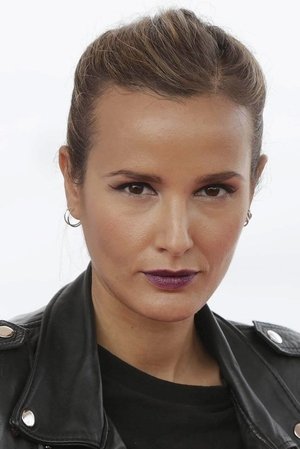
Julia Ducournau

Li Liming
Ellie Kanner
Debbie Bruce Mahan
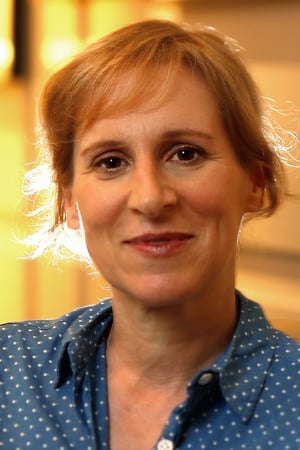
Kelly Reichardt
Page 1 sur 164